
Insights That Matter: Hiring, Business & Market Growth
1. The Future of Hiring: Key Trends to Watch in 2025
The hiring landscape is evolving rapidly, and businesses that fail to adapt may struggle to attract top talent. As we move into 2025, several trends are emerging that will shape the future of recruitment.

AI and Automation Take Center Stage
According to a LinkedIn report, 67% of recruiters believe AI is streamlining the hiring process. From automated resume screening to AI-driven chatbots that engage with candidates, technology is reducing manual effort while improving efficiency. As Josh Bersin, a leading HR thought leader, puts it, “AI won’t replace recruiters, but recruiters who use AI will replace those who don’t.”
Skills Over Degrees
More companies are moving towards skills-based hiring rather than relying solely on traditional degrees. Google, Tesla, and IBM are already prioritizing candidates’ skills and experience over formal education, setting a trend that many businesses will follow in 2025.
The Rise of Employer Branding
A strong employer brand is no longer optional—it’s essential. Glassdoor reports that 86% of job seekers research a company’s reputation before applying. Companies investing in authentic storytelling and employee advocacy will have a competitive edge.
The Hybrid Work Evolution
The demand for remote and hybrid roles continues to rise. A McKinsey study found that 58% of employees prefer a hybrid work model. Employers who offer flexibility will attract and retain the best talent.
Diversity, Equity, and Inclusion (DEI) at the Forefront
A 2024 PwC survey revealed that 75% of job seekers consider a company’s DEI policies before accepting an offer. Companies that embrace diversity will not only foster innovation but also build a workforce that reflects the real world.
Key Takeaway: The future of hiring is dynamic. Companies that leverage AI, focus on skills, enhance employer branding, embrace flexibility, and prioritize DEI will thrive in 2025.
written on January 31st, 2025
2. Attracting Top Talent: What Companies Need to Do Differently
The competition for top talent is fiercer than ever, and traditional hiring strategies are no longer enough. To attract and retain the best candidates, companies must rethink their approach.

Competitive Compensation & Benefits
Money still matters, but so do perks. Companies like Salesforce and Airbnb are offering innovative benefits like mental health support, paid volunteer time, and even travel stipends. According to SHRM, 60% of job seekers consider benefits just as important as salary.
Employer Branding Matters More Than Ever
A strong employer brand can cut hiring costs by 50%. Candidates want to work for companies with a great reputation. Showcasing employee testimonials, career growth stories, and your company culture on social media can significantly improve your hiring success.
Flexible Work is No Longer a Perk—It’s Expected
A Gallup survey found that 72% of employees prefer remote or hybrid work options. Companies that resist flexibility risk losing out on top talent.
Investing in Employee Development
A LinkedIn Learning report found that 94% of employees would stay longer at a company if it invested in their career growth. Providing continuous learning opportunities is a game-changer.
Key Takeaway: To attract top talent, companies must offer more than a paycheck. Competitive benefits, strong branding, flexible work options, and career development opportunities are the new norm.
written on February 3rd, 2025
3. Proven Lead Generation Strategies for Growing Your Business
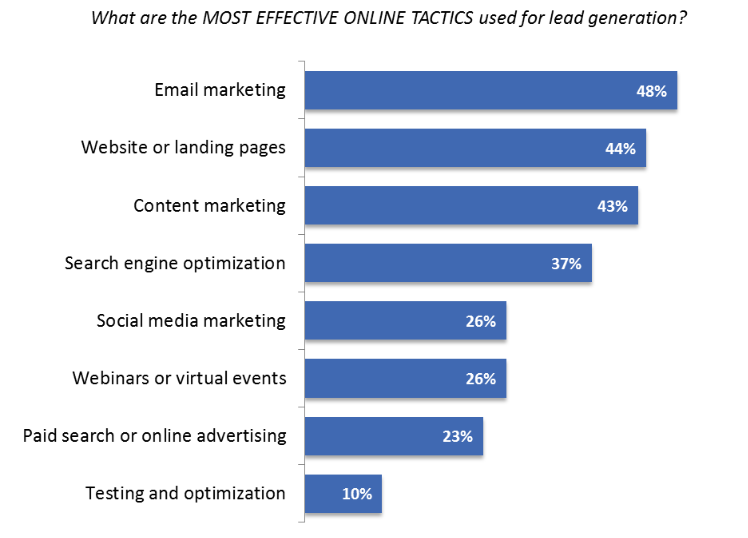
Every business needs leads to grow. But generating quality leads takes strategy, consistency, and the right tools. Here are some battle-tested methods to drive business growth.
Content Marketing: The Long-Term Strategy
“Content is king,” as Bill Gates famously said. Creating valuable blog posts, eBooks, and webinars can position your company as an industry leader and attract potential clients.
Social Selling on LinkedIn
LinkedIn reports that 78% of B2B marketers find LinkedIn to be the most effective social media platform for lead generation. Engaging with prospects through insightful posts and direct outreach can generate high-quality leads.
SEO: The Organic Growth Engine
Ranking high on Google for relevant keywords can bring continuous, high-intent traffic. HubSpot found that 60% of marketers consider SEO their top inbound marketing priority.
Email Marketing Still Works
A study by Campaign Monitor shows that email marketing generates an average ROI of 4200%. A well-crafted email sequence can nurture leads and convert them into customers.
Key Takeaway: Lead generation is about providing value, building relationships, and leveraging the right channels. A mix of content marketing, social selling, SEO, and email marketing can drive sustainable business growth.
written on February 14th, 2025
4. Hiring & Compliance: What Employers Need to Know
Hiring the right talent is only half the battle—compliance with labor laws and regulations is equally critical. Here’s what businesses must keep in mind.

Equal Employment Opportunity (EEO) Compliance
Discriminatory hiring practices can lead to costly lawsuits. Ensuring diversity and inclusion not only keeps companies legally compliant but also improves company culture.
Data Privacy Regulations
With GDPR and other data protection laws in place, handling candidate information responsibly is a must. Employers should have clear policies on how they store and use candidate data.
Employee Classification
Misclassifying workers as independent contractors instead of employees can result in hefty fines. Companies must ensure they correctly classify workers to avoid legal trouble.
Key Takeaway: Staying compliant with hiring laws protects businesses from legal risks and enhances their reputation as fair employers.
written on March 7th, 2025
5. How Technology is Transforming Recruitment & Workforce Management
Technology is revolutionizing the way businesses hire and manage talent. From AI-driven recruitment to workforce analytics, companies that embrace tech will gain a competitive advantage.

AI and Machine Learning in Recruitment
According to Glassdoor, AI-powered tools can cut hiring time by 50%. Platforms like LinkedIn Recruiter and AI chatbots are making the hiring process faster and more efficient.
Applicant Tracking Systems (ATS)
An ATS can streamline recruitment by organizing resumes, automating job postings, and improving candidate communication. According to Jobscan, 98% of Fortune 500 companies use an ATS.
Remote Work & Digital Collaboration
Tools like Slack, Zoom, and Asana are redefining how teams collaborate. A Gartner report predicts that by 2026, 75% of businesses will have a hybrid workforce.
Key Takeaway: Companies that integrate AI, ATS, and digital collaboration tools will improve hiring efficiency and workforce management in 2025 and beyond.
written on March 27th, 2025